AWS Continuum for code vulnerabilities launches to automate and prioritize security remediation for enterprise applications.

The landscape of software development has shifted dramatically in recent years, driven by the rapid adoption of artificial intelligence and the increasing complexity of cloud-native architectures. As development cycles accelerate, so too does the volume of security vulnerabilities identified by automated scanning tools. Security operations teams are currently overwhelmed by a "noise" problem, where thousands of daily alerts often lack the necessary context to determine true exploitability or business risk. Today, Amazon Web Services (AWS) officially launched AWS Continuum for code vulnerabilities, a service designed to bridge the critical gap between vulnerability detection and effective, risk-informed remediation.
The Vulnerability Fatigue Crisis
For years, the industry standard for managing software security has relied on static and dynamic application security testing (SAST/DAST) tools. While effective at identifying potential weaknesses, these scanners often generate a high rate of false positives or identify "reachable" vulnerabilities that pose no actual threat to the specific environment. According to recent cybersecurity industry surveys, the average enterprise security team faces an unmanageable backlog of vulnerabilities, with over 60% of organizations reporting that they struggle to distinguish between critical risks and theoretical ones.

Before the introduction of AWS Continuum, the process of triaging these findings was a labor-intensive, manual endeavor. Engineers had to correlate vulnerability reports with network topology, data sensitivity, and internal business logic—a process that could span several days of cross-departmental coordination. By the time a fix was validated and approved, the window of exposure had already left the organization vulnerable to automated exploit attempts by sophisticated threat actors who are increasingly leveraging AI to turn disclosures into functional exploits in mere minutes.
How AWS Continuum Functions
AWS Continuum introduces a paradigm shift by moving away from raw severity scores toward a model based on proven exploitability and contextual risk. The service operates by constructing a comprehensive "context graph" that draws data from two foundational sources: the organization’s existing code repositories and the live AWS environment.
By deploying a collector within the specific AWS account and Region where the application resides, the service gains visibility into infrastructure-level details, including network configurations and resource dependencies. This allows Continuum to determine whether a vulnerability is actually reachable over the network—a critical distinction that often separates a high-risk finding from an irrelevant one. The service then maps this against the application’s business criticality, identifying which systems handle sensitive assets such as payment pipelines, authentication services, or customer databases.

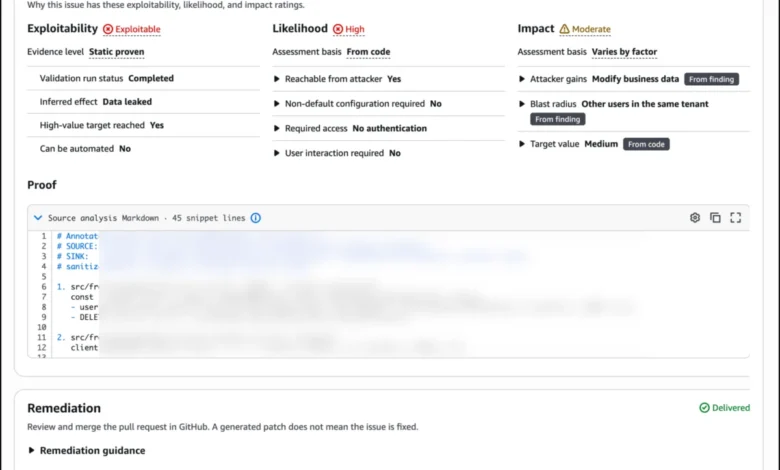
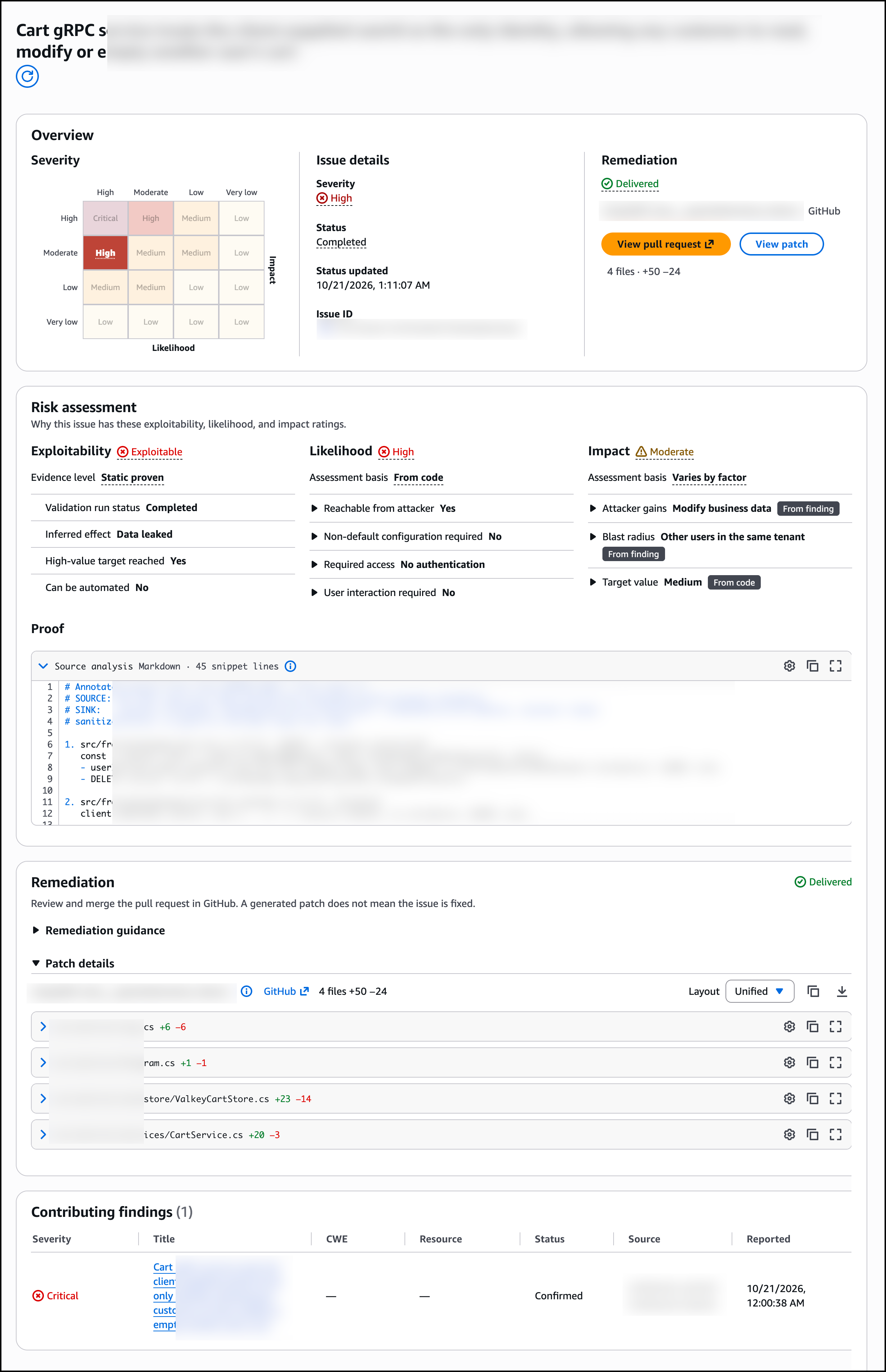
The validation process is perhaps the most significant departure from traditional tooling. When a vulnerability is identified, Continuum performs static analysis to verify the path of the flaw. If the finding is reproducible, the service executes the exploit within an isolated, secure sandbox environment. This generates concrete proof-of-concept (PoC) code and a clear attack path, moving the assessment from a theoretical risk to a demonstrated reality.
Chronology of Development and Integration
The development of AWS Continuum reflects a strategic response to the shifting threat environment observed throughout 2025 and 2026. As cloud-native architectures moved toward more granular microservices, the "blast radius" of a single code vulnerability became increasingly difficult for human teams to assess.
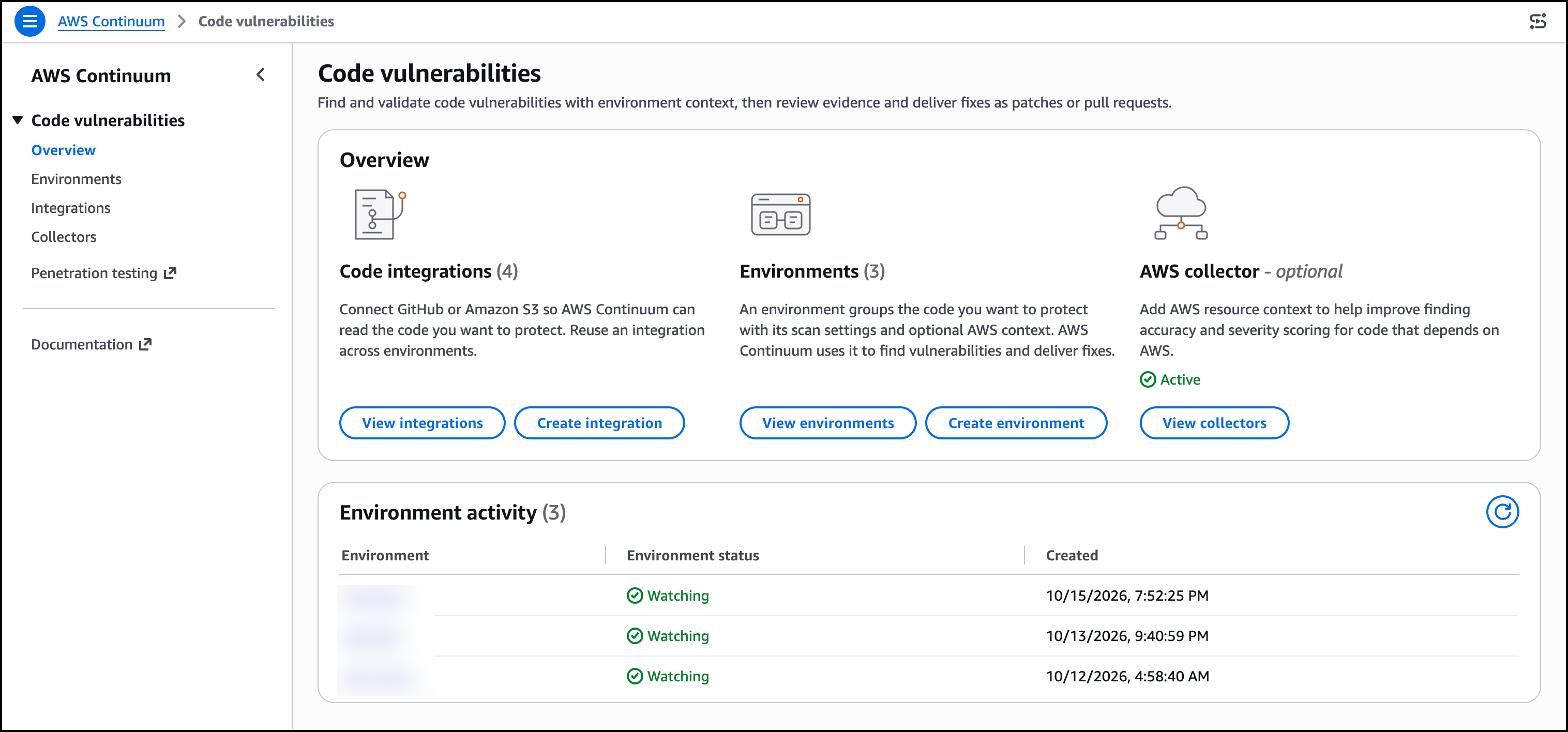
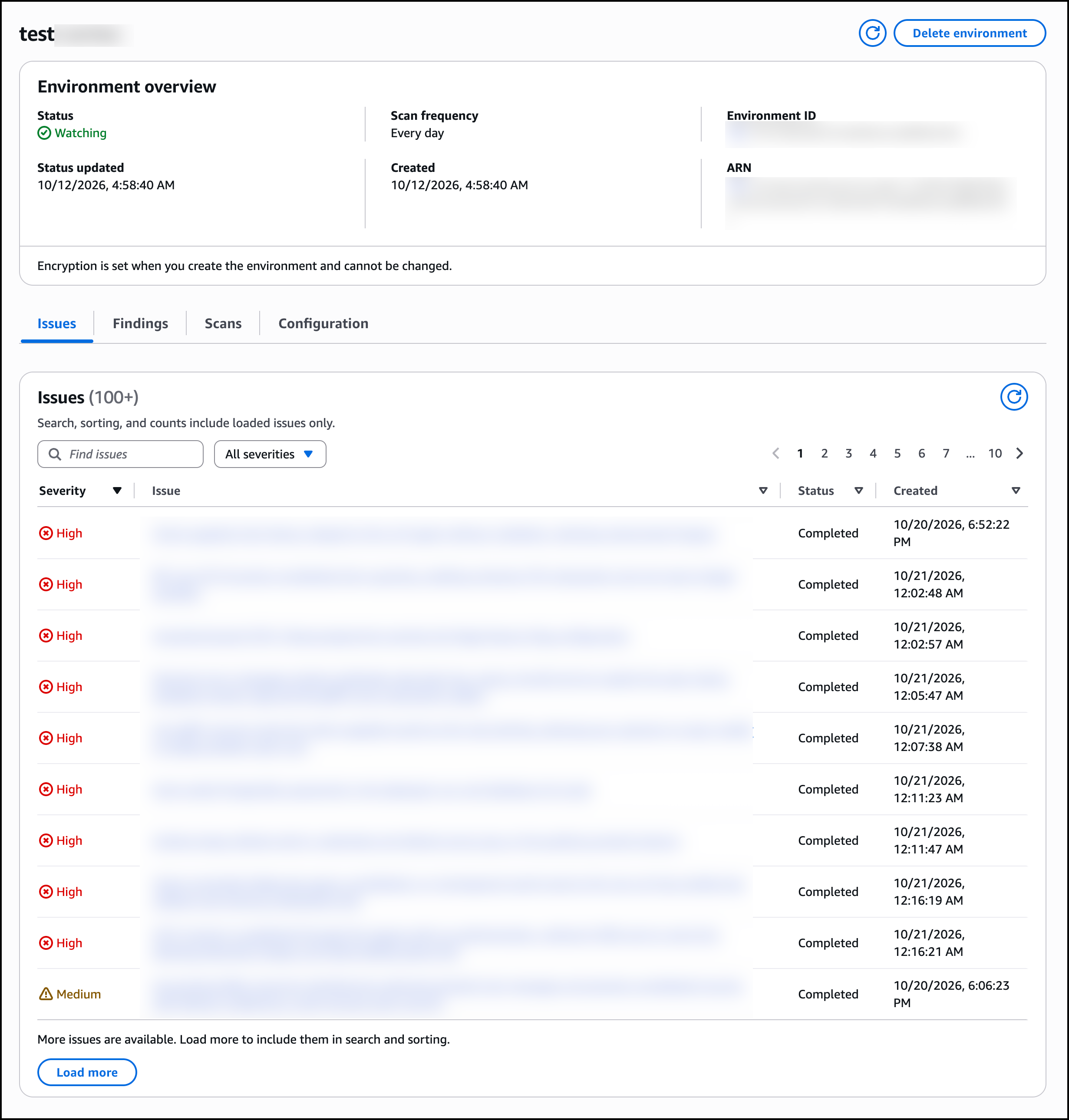
The integration process for users follows a structured, multi-step workflow. Upon accessing the AWS Continuum console, administrators connect their code sources—supporting both GitHub integrations and Amazon S3 buckets—and define the scanning schedule. Once the environment is configured and the AWS collector is authorized, the system begins its analysis. The output is a prioritized list of issues, where each entry is accompanied by an evidence-based risk assessment, including the likelihood of attack and the potential business impact.
Remediation and Human-in-the-Loop Governance
A central tenet of the AWS Continuum philosophy is the maintenance of human oversight. When the service identifies a confirmed issue, it does not merely report it; it generates a remediation package—which may include a code patch, a dependency version update, or a configuration adjustment—and submits it as a pull request directly to the connected repository.
This approach ensures that developers are presented with actionable solutions rather than just problem notifications. However, the system enforces a "human-in-the-loop" requirement for the initial rollout. Security teams must review and merge the pull request, ensuring that the final decision remains with the engineering staff. AWS has signaled that future iterations will include "confidence gates"—automated triggers that allow Continuum to apply patches autonomously for low-risk, well-understood vulnerability classes once specific testing and success thresholds are met. This iterative roadmap suggests that AWS is carefully balancing the need for speed with the necessity of maintaining robust, enterprise-grade safety protocols.
Implications for Enterprise Security Operations
The introduction of AWS Continuum signals a broader industry transition toward "autonomous security." By automating the triage and remediation workflow, the service aims to reduce the "mean time to remediate" (MTTR), a metric that has long been a point of friction for CISOs and security managers.
Beyond speed, the service addresses the human capital problem within IT departments. By filtering out the noise of unreachable or unexploitable findings, security professionals can redirect their focus toward the most complex and critical threats, rather than spending hours chasing down false positives. This creates a more sustainable security culture, where developers are less likely to experience "alert fatigue" and security teams can demonstrate clear, measurable reductions in the organization’s overall attack surface.
Furthermore, the integration of blast-radius assessment provides a level of business context that was previously siloed. By linking technical vulnerabilities to specific business outcomes—such as the potential compromise of a payment gateway—the service enables a more nuanced conversation between IT security and business stakeholders. This alignment ensures that resource allocation for security projects is prioritized based on actual business risk, rather than generic industry benchmarks.
Market Availability and Strategic Outlook
AWS Continuum for code vulnerabilities is currently available in the US East (N. Virginia) and US West (Oregon) Regions. This limited rollout suggests an initial focus on the most densely populated cloud environments, with an expected expansion to additional global regions in the coming fiscal quarters.
As organizations continue to grapple with the dual challenges of rapid digital transformation and an increasingly hostile threat landscape, tools that provide high-fidelity, context-aware security intelligence will likely become standard. By embedding security directly into the development workflow—and providing the evidence to back up remediation efforts—AWS Continuum represents a significant step forward in the evolution of DevSecOps.
For enterprises looking to integrate the service, the documentation and support channels provided by AWS offer a clear path to adoption. As the platform matures and the scope of automated remediation increases, the role of the security engineer is expected to shift further toward oversight and policy governance, leaving the heavy lifting of vulnerability validation and initial patch generation to the AI-driven infrastructure of the cloud. With this launch, AWS has effectively set a new standard for how large-scale, distributed applications should be secured in the age of automated, intelligent threat vectors.